




David Temple and family

Hi, I'm David.

I love building products, learning from great people, and adventures of all types. Get in touch to collaborate. Or follow along with things I've been tinkering with.

Currently exploring. In between roles, I'm building little things with AI — for fun, and to learn what's now possible. See what I'm working on in Projects.
2017 — 2026
VP of Product Management, Pinterest
2020-2026: Managed a cross-functional team of eng, design and PMs focused on emerging products initiatives (AI, new tech, etc.).
2017-2020: Led content understanding, creator and homefeed teams.
2014 — 2017
CEO & cofounder, Hello Scout
Hello Scout connects guests at boutique hotels with local tours and activities.
(Acquired by Luxico, 2017.)
2011 — 2014
Director of Product, Klout
Klout helps content creators harness their online influence.
2008 — 2011
Director of Product, LiveIntent
LiveIntent is the first location-aware, real-time bidding platform for email.
2008 — 2011
Product Manager, GLG
GLG is an expert network for business intelligence.
dtemple.me — est. 2009 updated may '26

Under construction.

Projects are on their way — check back soon.

← Back to about

Projects.

Things I'm tinkering with.
May, 2026 prototype

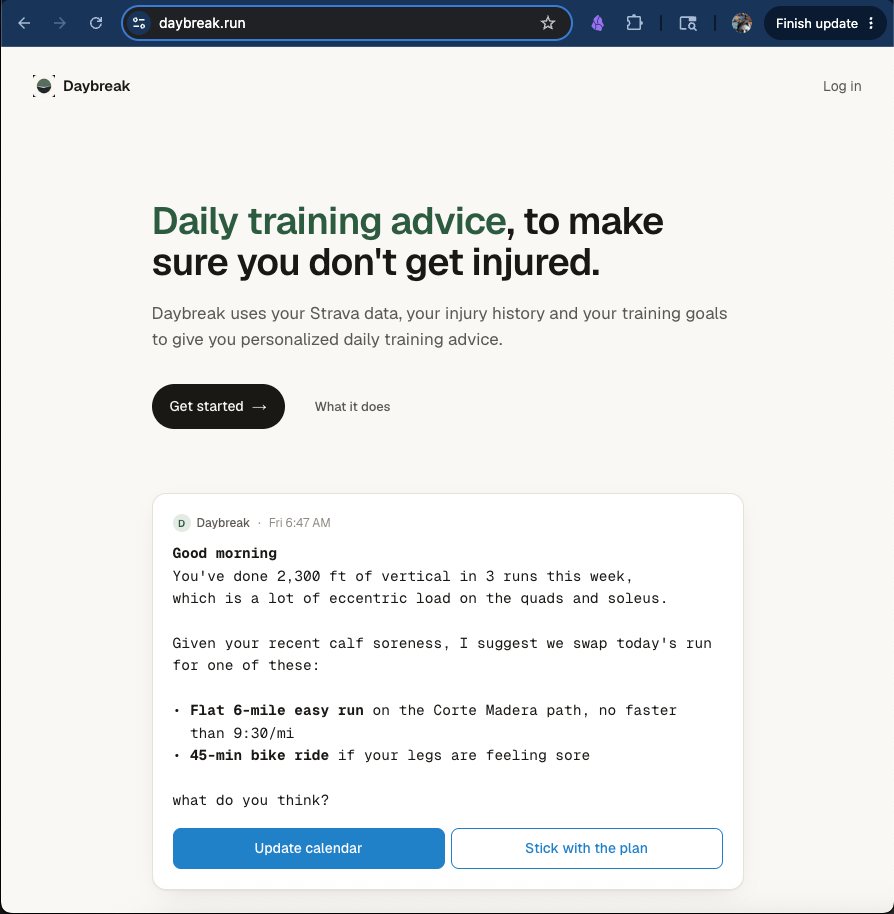
Daybreak — a personal training coach in Telegram

A training coach I built for myself and am slowly opening up. Daybreak uses an athlete's Strava data, injury history, and training goals to deliver personalized daily training advice grounded in real-world training plans and principles. Onboarding, daily check-ins, plan adjustments for flare-ups and tweaks, and calendar integration all happen entirely in Telegram; a minimalist Next.js app handles allowlist signup, Strava OAuth, and a read-only plan view.

What's built
  • Onboarding and identity. /signup allowlist gate with one-time link_tokens and a QR deeplink; full Telegram onboarding state machine (steps 0–5 plus plan handoff).
  • Daily check-in loop. /checkin wellness battery (readiness, soreness, note) feeds a single-call Claude coaching response; wellness_log.md, checkin_log.md, and agent_runs persisted, with a Sentry fallback.
  • Strava and infra. OAuth wired end-to-end via /connect_strava, encrypted token storage, and a health-check ping.
Takeaways so far
  1. For just myself, I could manage all of this with .md context files. Introducing a full database added a lot of scope.
  2. Telegram integration has been easy. Strava is a pain in the ass.
  3. Spent a bunch of time fussing with env variables on Vercel.
May, 2026 launched

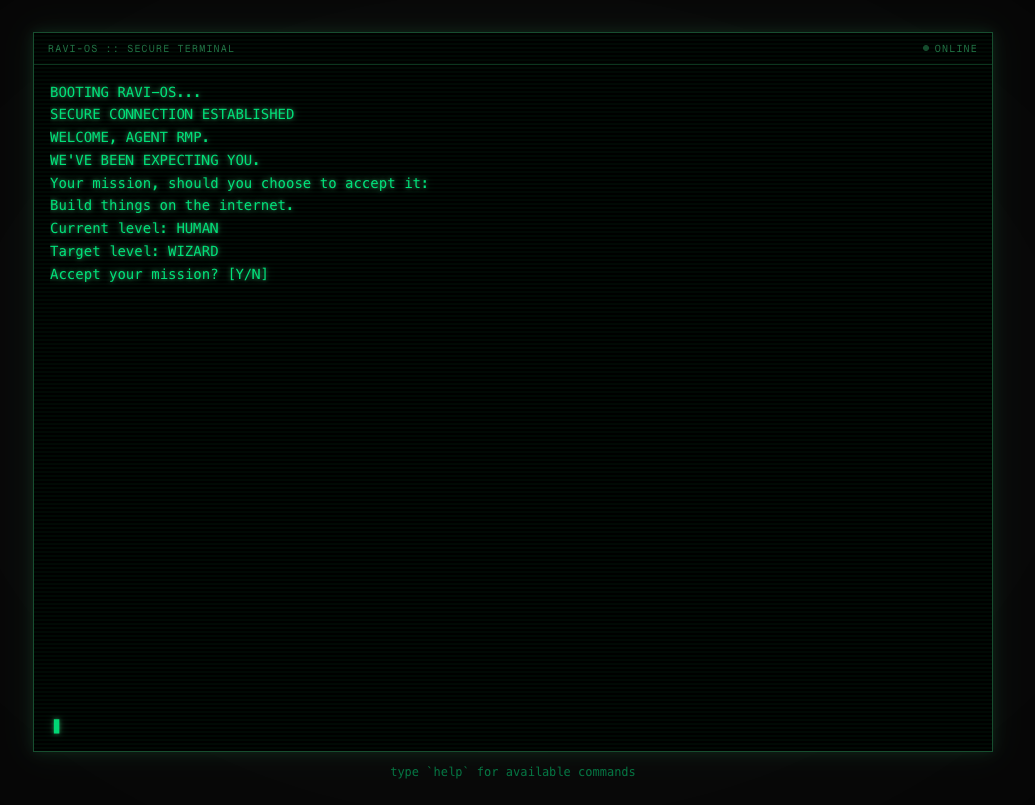
RaviOS

A cinematic terminal-style web portal built for my 12-year-old nephew at the start of a short AI coding course I'm running with him. The site greets him as Agent RMP, hands him classified missions, and rewards curiosity with a chain of hidden commands — designed to reframe coding from "learning" into "being recruited."

What was built
  • Terminal shell. Animated boot sequence, typewriter text, command history, and a dispatcher handling a dozen-plus commands, from "help" and "mission" to "summon dragon" and "hack the mainframe."
  • Mission briefings. Three eyes-only dossiers for Agent RMP: getting set up on GitHub/Vercel/v0, building a homepage, and a TBD interactive project.
  • Discovery system. "hint" returns one of six riddle-couplets, each pointing to a hidden command. Discovered easter eggs drop from the pool so the hints don't get stale.
Takeaways
  1. This was a blast to build, especially all the easter eggs and secret commands.
May, 2026 Launched

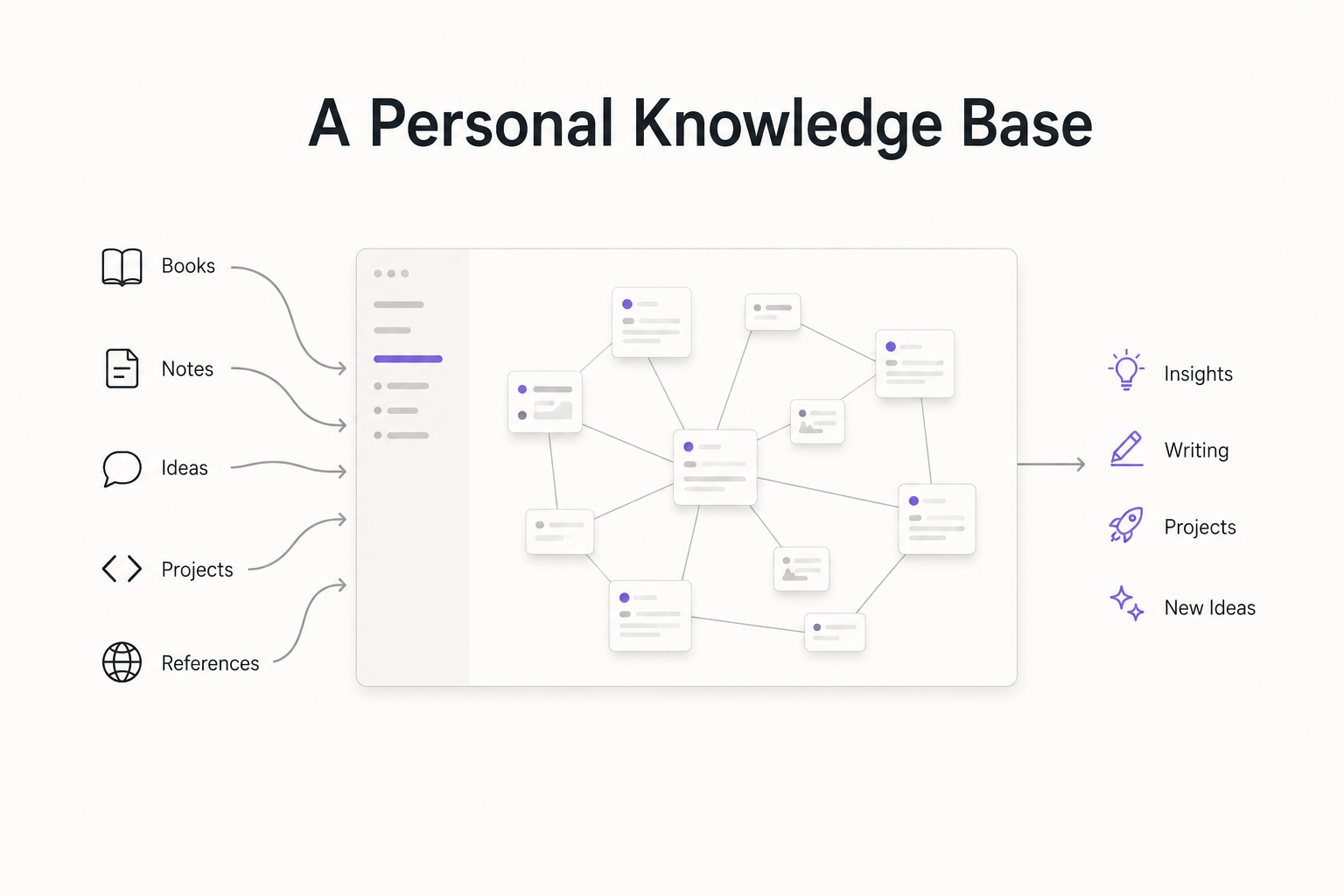
Claude Connector — A self-updating personal knowledge base

An MCP-based personal knowledge base, inspired by Karpathy's LLM Wiki post and the AI DB agent OS. It runs silently in the background of every Claude or ChatGPT session. It extracts key ideas automatically, building a growing artifact that feeds context into new projects. Obsidian is the interface.

What's built
  • Remote MCP server on Cloudflare Workers — a stateless JSON-RPC server that exposes the wiki to any MCP-capable client (Claude iOS app, claude.ai, etc.), authenticated via a bearer token.
  • GitHub App integration — reads and writes wiki pages directly to a GitHub repo via the GitHub Apps API, with no local clone needed.
  • Full CRUD tool suite — read and write tools covering page creation, retrieval, search, logging, and raw sources, with index.md and log.md maintained as side effects.
  • Schema enforcement — frontmatter validation and slug rules returned as MCP instructions on initialize, so every session picks up wiki conventions automatically.
Takeaways so far
  1. Most useful when scoped to something that is changing regularly but not too broad. I'm using it to collect new ideas and expand on them. I can send it context and it fleshes them out.
  2. Great for bootstrapping claude.md for new projects.
  3. Potential next steps: productize it in a way where others could use it to do something similar.
March, 2026 Archived

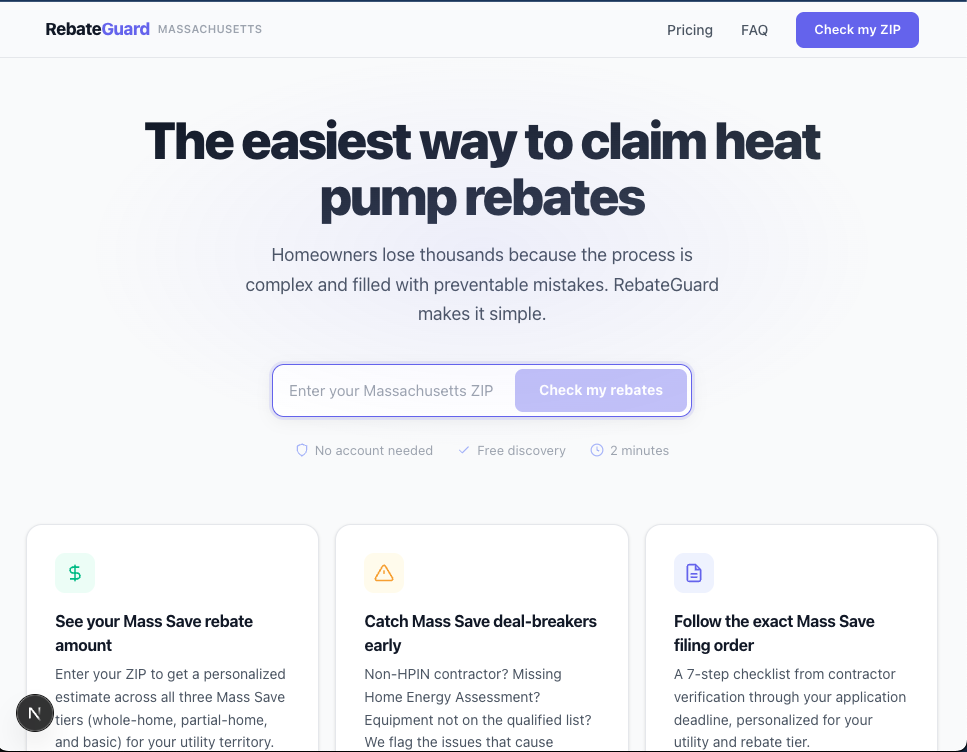
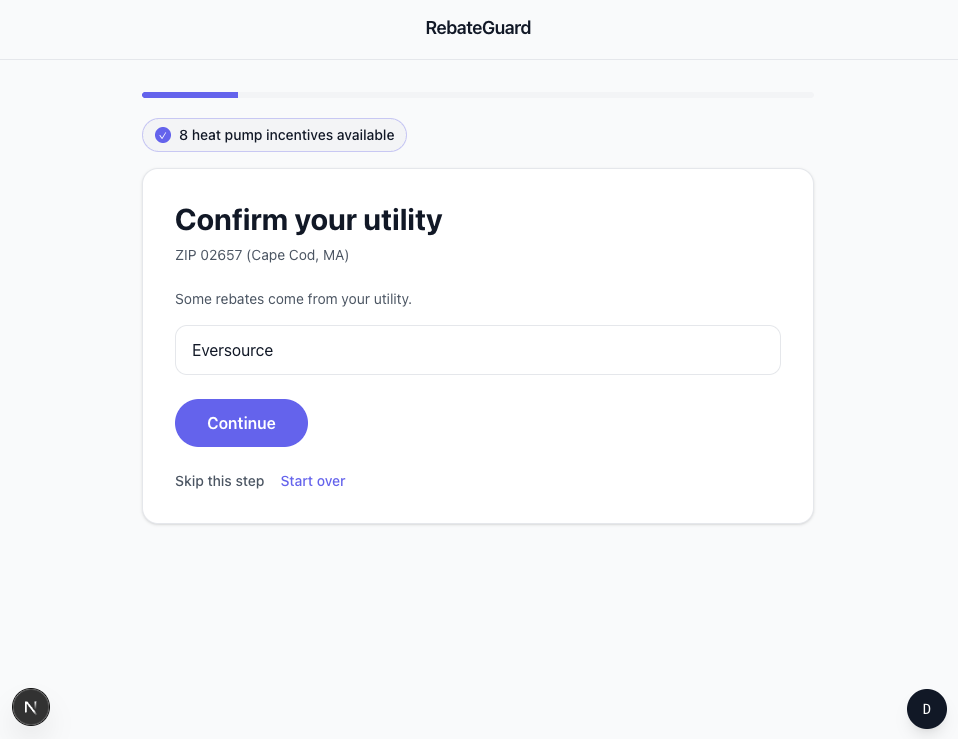
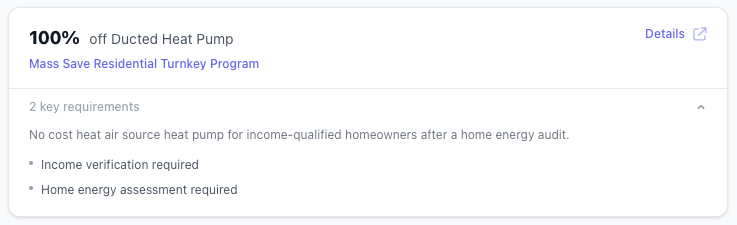
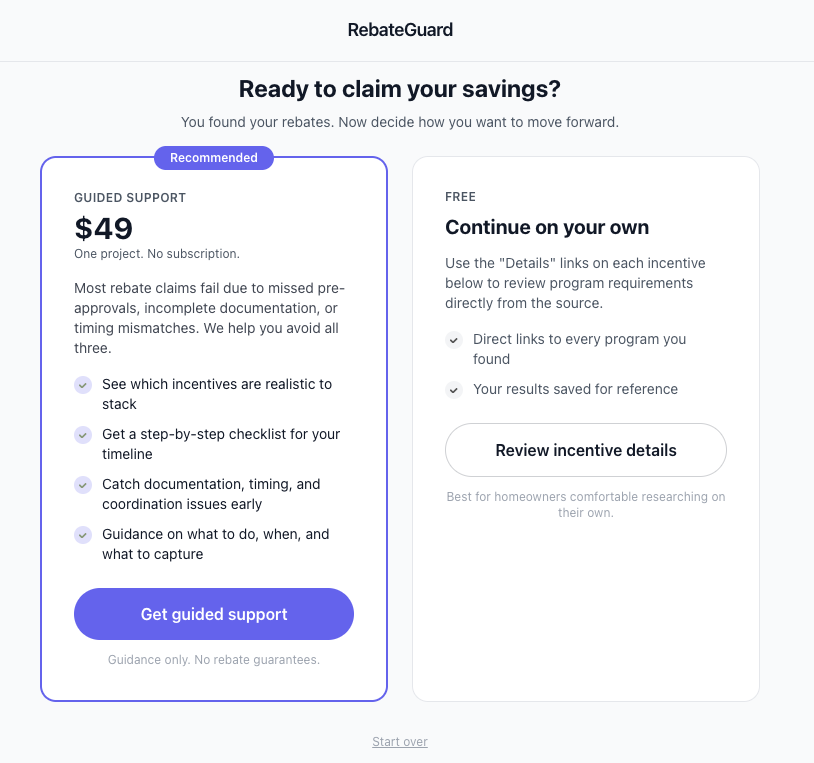
RebateGuard — the easiest way to claim heat pump rebates

Claiming my own heat pump rebate was a mess, so I built a tool to simplify it. RebateGuard identifies which rebates apply to a homeowner and walks them through claiming, handling the paperwork along the way.

What got built
  • Landing page with ZIP-based utility lookup
  • Intake wizard (location, heating type, timeline, income, etc.)
  • Incentive discovery via Rewiring America API
  • Program rules registry with 4 curated state programs (MA, NY, CA, ME)
  • Crawler infrastructure with deterministic parsing
  • Registry validator (CLI + web UI) with LLM-powered source checking
  • Filing guide generator and workbench
  • Workspace with plan, documents, timeline, and messages pages
  • Risk engine, recommendation scoring, execution step sequencing
Takeaways
  1. Good learning project since it had a large and complex data/crawling component.
  2. Ultimately I built way too much product for the scope of the user problem.
  3. The combo of deterministic rules with LLM-powered source checking and user-facing descriptions proved powerful; this is likely a model I'll use again.
  4. Ugh, that purple
April, 2026 prototype

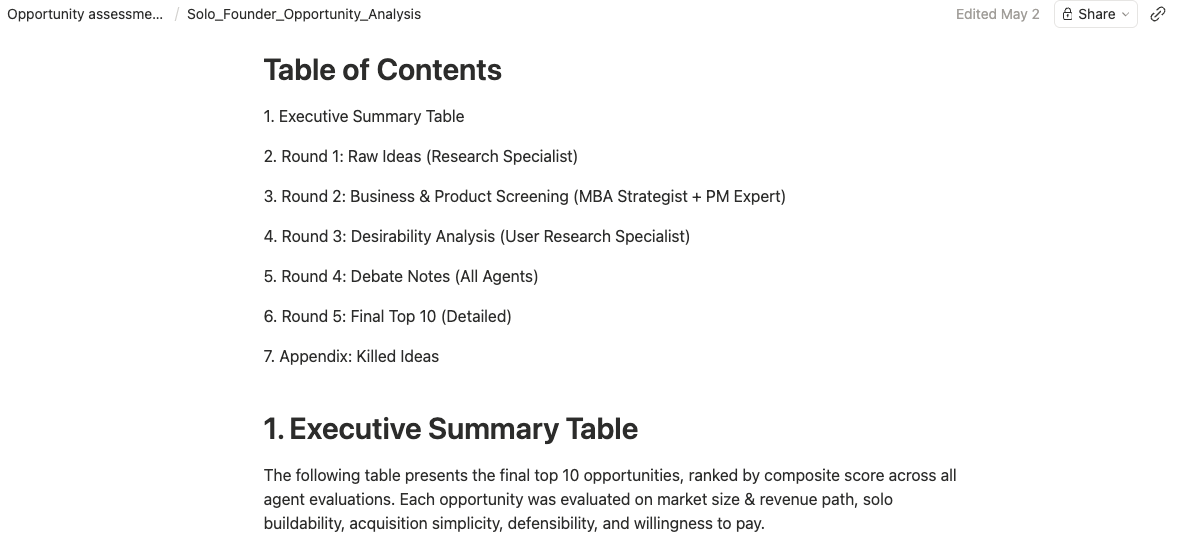
Opportunity assessment agent debate

Opportunity Agents uses Claude Code multi-agent teams to run structured debates evaluating software business opportunities for solo founders.

What was built
  • A multi-agent debate system with four specialized roles: Research Specialist, MBA Strategist, User Research Specialist, CEO/Synthesizer
  • A structured rubric scoring opportunities across five dimensions: market size, solo buildability, acquisition simplicity, defensibility, and willingness to pay
  • An output pipeline: each agent writes to its own file; the CEO synthesizes a final ranked assessment
Takeaways
  1. Interesting output, but would take some work to make genuinely useful.
  2. Writing the prompts for the debating agents was the most interesting part.
  3. The multi-agent teams part would be reusable in other contexts.
April, 2026 archived

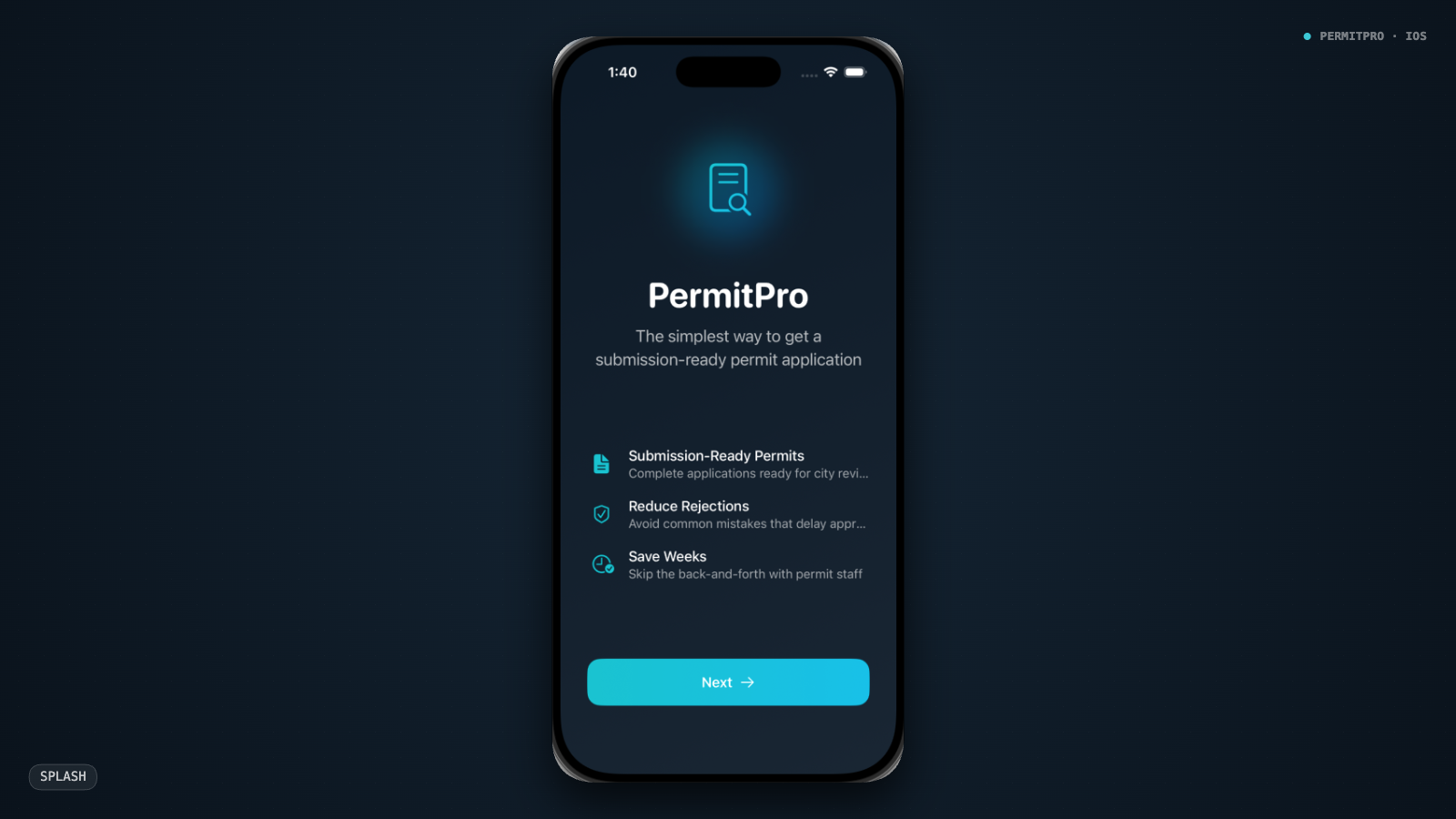
Mill Valley Permits app

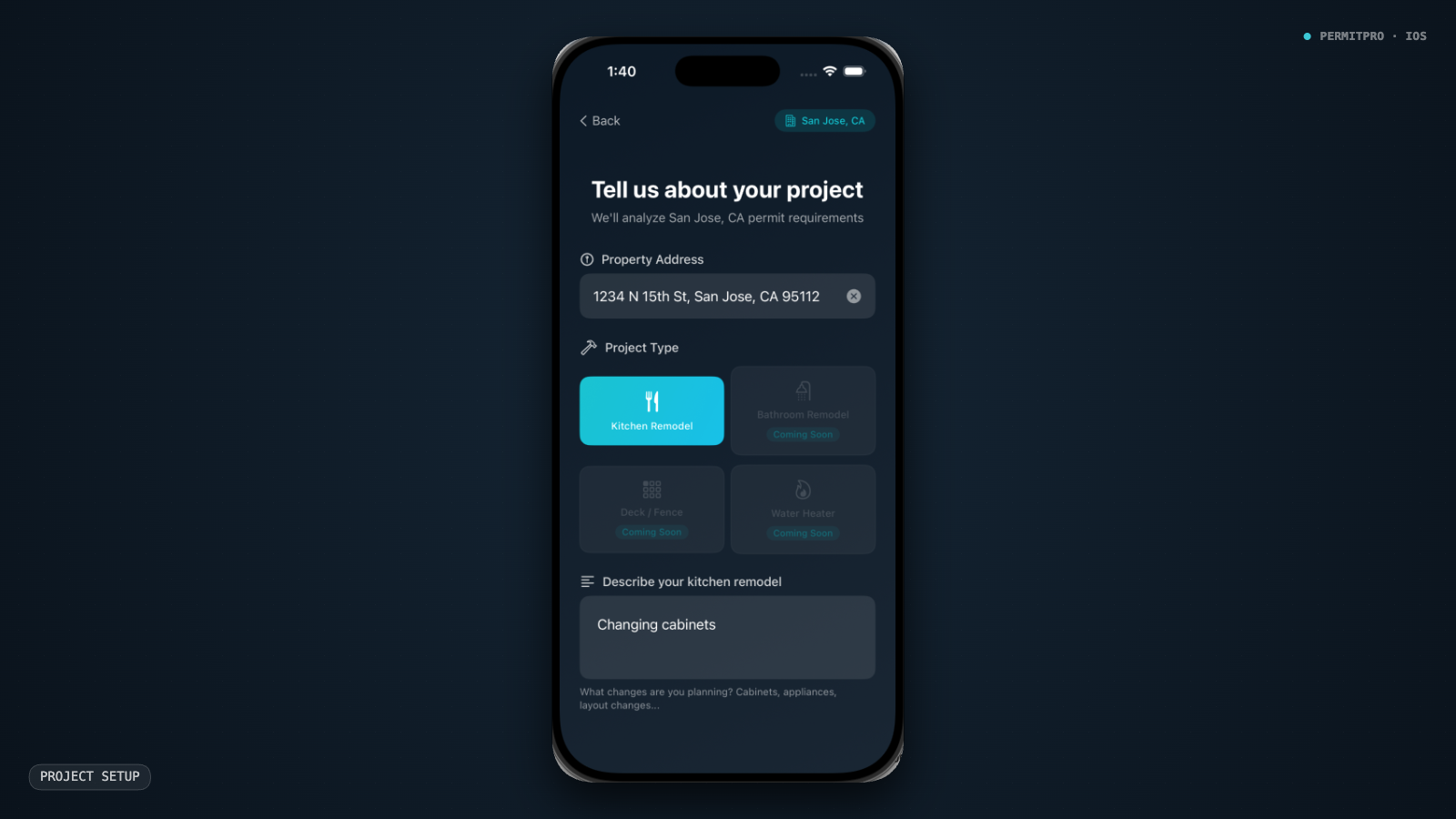
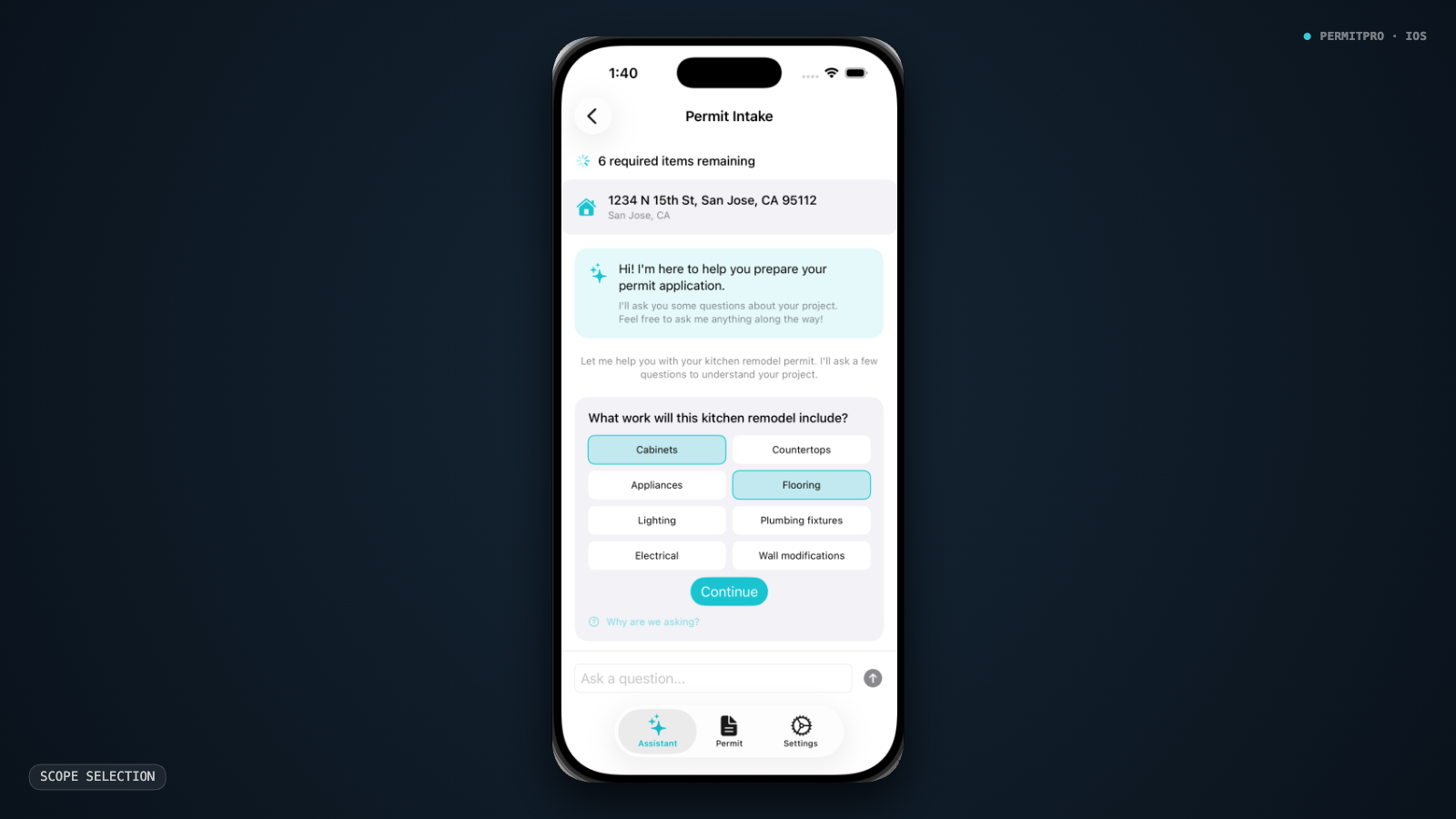
A native iOS app that guides Mill Valley homeowners through the permit process for home improvement projects: AI-powered intake chat, fee estimation, and document generation.

What was built
  • AI-driven intake chat — asks project-specific questions and collects the data needed to fill out permit forms.
  • Fee estimator — calculates permit costs based on project facts and surfaces a price estimate before the user commits.
  • Permit packet generation — pre-filled form fields and a PDF preview, ready to submit to the city.
Takeaways
  1. Fun to implement a chat UX in a native iOS setting.
  2. Built some real parcel/jurisdiction logic, which gave me good visibility into the complexity of government forms
  3. Lots of legal liability stuff, which makes this not worth pursuing.
6 projects rss · subscribe